


Jim is an accomplished triathlete and endurance cyclist, and has raced in more than 35 USAT-certified races. He is also an avid trail runner and endurance gravel bike rider. Jim is a founder of Complete Tri and frequent writer on triathlon and cycling.
Running Gear That Actually Matters (and What I’d Skip)
Running is one of the few sports where you can get started with almost nothing. That simplicity is part of the appeal. You put on a pair of shoes, step outside, and go.
But if you spend any time reading about gear, it quickly starts to feel more complicated than it needs to be. There are endless shoe models, data metrics, accessories, and opinions on what matters most.
Most of it is noise. In reality, the difference between a smooth, consistent running routine and a frustrating one usually comes down to getting a few basic decisions right. Once those are in place, everything else becomes optional.
If I were setting up from scratch today, this is exactly how I’d approach it.
What Actually Matters
1. Shoes (This Is 90% of the Decision)
For runners, shoes are the only piece of gear that truly carries weight.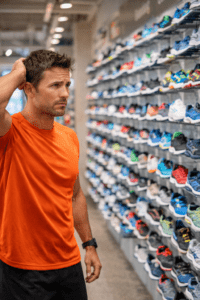
They are where impact is absorbed, where small inefficiencies show up, and where discomfort can quietly build over time. A good shoe disappears once you start running. A bad one reminds you of it every step.
In running circles, there are countless stories of runners who had serious knee, hip, or ankle problems developing. Visions of extended recovery periods or even surgery began to enter the picture. Then, a switch of running shoes magically solved the problem.
There is no single best shoe for everyone. In fact, the right shoe for you might even change over time. The right choice depends largely on how your foot moves as you run. At a simple level, most runners fall into three categories.
Neutral (Most Runners)
A neutral stride means your foot lands and rolls forward without excessive inward or outward movement. There is a quiet efficiency to it. Nothing dramatic, nothing forced. Just a smooth transition from heel to toe that lets your body move the way it was meant to.
This is the most common pattern, and it puts you in a good position. You are not fighting your mechanics with every step. You are working with them, which simplifies the decision.
If this is you, your goal is straightforward. Find a shoe that feels comfortable from the first run and holds up over time. You want enough cushioning to handle the miles, but not so much that it interferes with your natural stride.
Fit matters more than features. Comfort matters more than claims. If you notice the shoe during your run, especially after a few miles, it is probably not the right one. The best choice is the one that fades into the background and lets you focus on your pace and your breathing.
Over time, pay attention to how the shoe holds up. A good pair should feel consistent, not just on day one but weeks later. That kind of reliability is what keeps your running simple, and keeps you coming back.
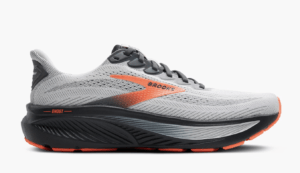
👉 What I’d pick:
The Ghost is a reliable, widely used shoe, and works for a large percentage of runners. A great all-around running shoe if you have not typically experience knee or leg problems. You can train in them, race in them, and not think twice.
Assume you are a neutral fit unless you have had leg issues when ramping-up your mileage in the past.
Overpronation (Foot Rolls Inward More Than Average)
Some runners naturally roll inward more as they land. This is called overpronation. I actually fall into this camp myself.
It is a common pattern, and in many cases it shows up more clearly as the miles add up and fatigue sets in.
It is not something to panic about, but over longer distances it can lead to inefficiency or discomfort if not supported properly. You may notice it in the form of tired arches, sore ankles, or a stride that feels less stable late in a run.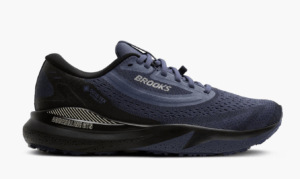
In this case, a bit of added structure in the shoe can help guide your foot more consistently. You are not trying to force a perfect stride. You are simply giving your body a little help staying aligned so you can run comfortably and keep your rhythm over time.
👉 What I’d pick:
The Brooks Adrenaline GTS is a go-to for so many runners with overpronation. It will provide support without feeling overly corrective. The goal is subtle stability, not restriction.
Supination / Underpronation (Foot Rolls Outward)
Less common, but still important to recognize.
In this pattern, the foot tends to stay more on the outer edge and does not roll inward enough to absorb impact efficiently. The result can be a stride that feels a bit rigid, with more stress traveling up through the lower leg over time.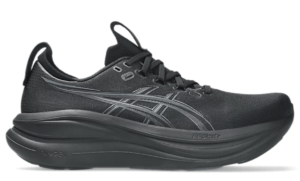
For these runners, the goal is not control but absorption. What you usually need is cushioning and flexibility, not additional structure. A shoe that allows the foot to move more naturally and softens the impact with each step can go a long way toward keeping your stride comfortable and sustainable.
👉 What I’d pick:
These help soften the landing and distribute impact more evenly.
A Practical Way to Decide
If you are unsure which category you fall into, do not overthink it.
Start with a neutral shoe that feels comfortable. Pay attention to how your body responds over a few runs. If something feels off, you can adjust from there.
Comfort is still the best signal.
2. Socks (Small Detail, Real Impact)
Socks rarely get much attention until they cause problems. Most runners do not think about them at all until something goes wrong, and by then it is usually in the middle of a run.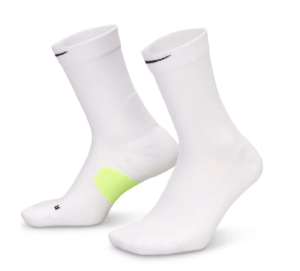
Blisters, irritation, and shifting fabric can turn a good run into a frustrating one, especially as your mileage increases and small issues have more time to build.
A good running sock does a few simple things well. It stays in place, manages moisture, and avoids creating friction points. When you find one that works, it is worth sticking with it.
👉 What I’d pick:
A few pairs of performance running socks from a trusted brand. Once you find a pair that works, there is no reason to keep experimenting. I use the Nike Midweight crew socks.
Note that if you live in a northern climate, you probably want to have a go-to colder weather sock as well, a heavier one you wear when the temp is below 45 or so.
3. Watch (Useful if You Know Why You’re Using It)
A running watch can be helpful, but it is not essential.
Some newer runners feel it is often more useful to run by feel and build consistency first. But I’m a huge fan of running watches, because it allows you to do different types of training, and keep yourself disciplined. Sometimes the goal is to run at a target speed that will stretch you, but many times the goal is actually to make sure your pace doesn’t drift up higher than you want, such as with a zone 2 run.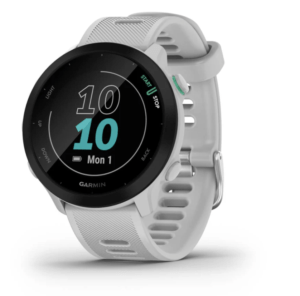
I like Garmins, because of their overall tracking functionality and the Garmin Connect app which is pretty useful for long-term tracking. Garmin also integrates nicely with Strava and other running apps.
👉 What I’d pick:
For someone who mainly wants to track their runs, and is not looking for a high-end smart watch, I like the Garmin Forerunner 55. It will give you everything you need without adding unnecessary complexity.
If you are the type of person who wants tons of data, or plans for this to be the watch you wear 24/7, then you might want to go a step or two up from the Forerunner 55. The Fenix lineup is a nice one with all of Garmin’s features. The Fenix 8 is the top of the line right now. It might be overkill for some, but others will instantly fall in love with it. It is what I wear every day and night.
4. Comfort Basics (Keep It Simple)
Beyond shoes, most gear decisions fall into the category of comfort.
You want clothing that does not distract you during the run. That means breathable fabrics, a fit that does not chafe, and gear that you do not have to adjust mid-run.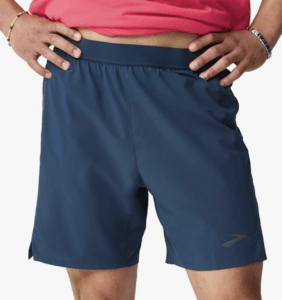
For longer runs, basic hydration can also matter, but this does not need to be complicated.
👉 What I’d focus on:
Simple, reliable gear that lets you run without thinking about it. My favorite running shorts right now are from Brooks, the Journey shorts. Be sure to get the 7″ shorts unless you like wearing short shorts. These are comfortable and durable.
Nice to Have (But Not Necessary)
Carbon-Plated Shoes
These have become more common and can provide a performance benefit in certain situations.
But they are not designed for everyday running, and they are not a substitute for consistent training.
For most runners, they are a tool for racing or specific workouts, not a foundation.
Advanced Metrics
Modern watches and apps can track a wide range of data.
Some of it is useful, especially at higher levels. Much of it is not necessary for steady improvement.
Most runners will get more out of paying attention to effort, recovery, and consistency than diving into detailed metrics.
Multiple Pairs of Shoes
Rotating shoes can have benefits, especially for higher mileage runners. Some runners swear by having a few pairs of the same shoes so they increase the life of each and always have a backup ready. It also lets the shoes full dry out if you are running in wet conditions.
Other runners have special race-day shoes, an idea I really don’t like. It means your legs have to adjust to a different shoe precisely at the time when you are doing your hardest work.
But if you are running a few times per week, one dependable pair is enough.
What I Would Skip (For Most People)
Constantly Switching Shoes
It is easy to get pulled into trying new models as they come out.

The problem is that your body never fully adapts to any one shoe.
If something works, stick with it.
Overcomplicating Gear
There are plenty of accessories that promise to improve your running.
Most of them add more distraction than value.
A simple setup is easier to manage and easier to stick with.
Trying to Optimize Too Early
It is natural to want to improve quickly.
But focusing on marginal gains before building a base usually leads to frustration.
The biggest improvements come from showing up regularly and staying healthy.
If I Had to Keep It Very Simple
If you told me:
“I just want to run consistently and not get bogged down in gear decisions”
I would say:
- Find a shoe that fits your stride and feels good right away
- Use socks that do not cause issues
- Add a watch if it helps you stay consistent
That is enough to build a solid running routine.
Final Thought
Running gets easier when you remove unnecessary decisions.
Once your basics are in place, the goal is to stop thinking about gear and start focusing on the work.